In This Article
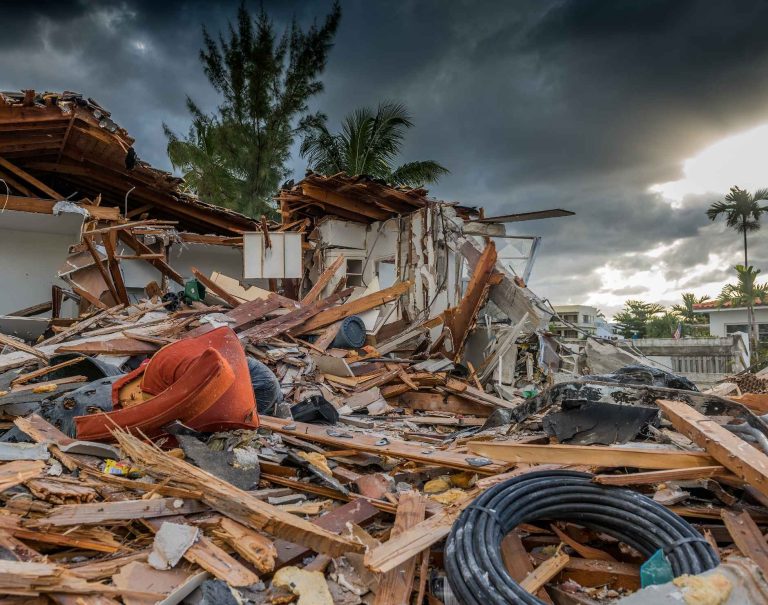
The roof-to-wall connection is the structural link that keeps a roof on a house during a hurricane — and it is the component most likely to be the weakest point in the wind resistance chain on any Tequesta or Jupiter home built before 2002. Strong tile roof, strong deck, strong underlayment, and correct fastening patterns all become irrelevant if the roof structure separates from the wall structure at the connection point. This failure mode — not tile loss, not membrane failure, but complete roof lift-off — was the defining structural failure pattern in Hurricane Andrew and in every major Florida hurricane since. The roof-to-wall connection receives less homeowner attention than any other wind resistance component, and it accounts for more catastrophic structural failures than all other components combined.
Why Roof-to-Wall Connections Are the Critical Link
The structural mechanics of roof lift-off in a hurricane are straightforward but counterintuitive. Wind flowing over a pitched roof surface creates a low-pressure zone above the roof and a positive pressure zone beneath the eave overhangs. This pressure differential — suction above, push below — creates a net upward force on the entire roof structure that must be resisted by the connections between the roof framing and the wall framing below. The roof itself, with all its tile and deck and framing, can weigh 40,000 to 80,000 pounds on a large luxury home. In a major hurricane, the uplift forces acting on that same roof can approach or exceed its dead weight — creating a net upward force that the roof-to-wall connections must resist entirely.
In pre-Andrew Florida construction, the typical roof-to-wall connection was a toenail — two or three nails driven at an angle through the rafter or truss bottom chord into the top plate of the wall framing. Toenail connections resist uplift forces primarily through the friction and bearing of the nail against the wood fibers — a resistance mechanism that degrades over time as wood shrinks, swells, and dries through seasonal cycles, and that provides dramatically lower uplift resistance than the design calculations assumed. Post-Andrew investigation documented toenail withdrawal failures throughout the affected area — connections that released at wind speeds well below Andrew’s peak, producing complete roof lift-off that left walls standing but roofless.
Connection Types and Their Wind Mitigation Ratings
The Florida wind mitigation inspection form classifies roof-to-wall connections into six categories that correspond to increasing levels of uplift resistance and correspondingly increasing insurance premium discounts. Understanding where your home falls in this classification — and what it would cost to upgrade to a higher category — is one of the highest-ROI structural assessments available for pre-2002 Palm Beach County homes.
Toenails — Category 1 — receive no wind mitigation credit and represent the highest risk connection type. They are found in essentially all pre-1994 construction and some early post-1994 construction where inspection enforcement was inadequate. Clips — Category 2 — are single-piece metal connectors that nail to the side of the rafter and to the top plate, providing positive mechanical connection without wrapping around the framing member. Clips provide meaningful uplift resistance improvement over toenails but are the minimum connection type that qualifies for wind mitigation credit.
Toenails receive zero wind mitigation credit Any pre-1994 home almost certainly has toenail connections. Zero credit means maximum insurance premium for this component — and maximum structural risk in a major hurricane event.
Single wraps are the current minimum standard The most common strap type in post-1994 Palm Beach County construction. Provides the primary wind mitigation discount tier and meaningful structural uplift resistance.
Double wraps maximize both safety and insurance discount Maximum uplift resistance and maximum wind mitigation credit. The correct specification for luxury tile roof homes in the coastal HVHZ corridor.
Connection type is verifiable through attic inspection A qualified inspector can determine your current connection type through attic access without any destructive investigation. Know your rating before your next wind mitigation inspection.
Upgrading Existing Connections
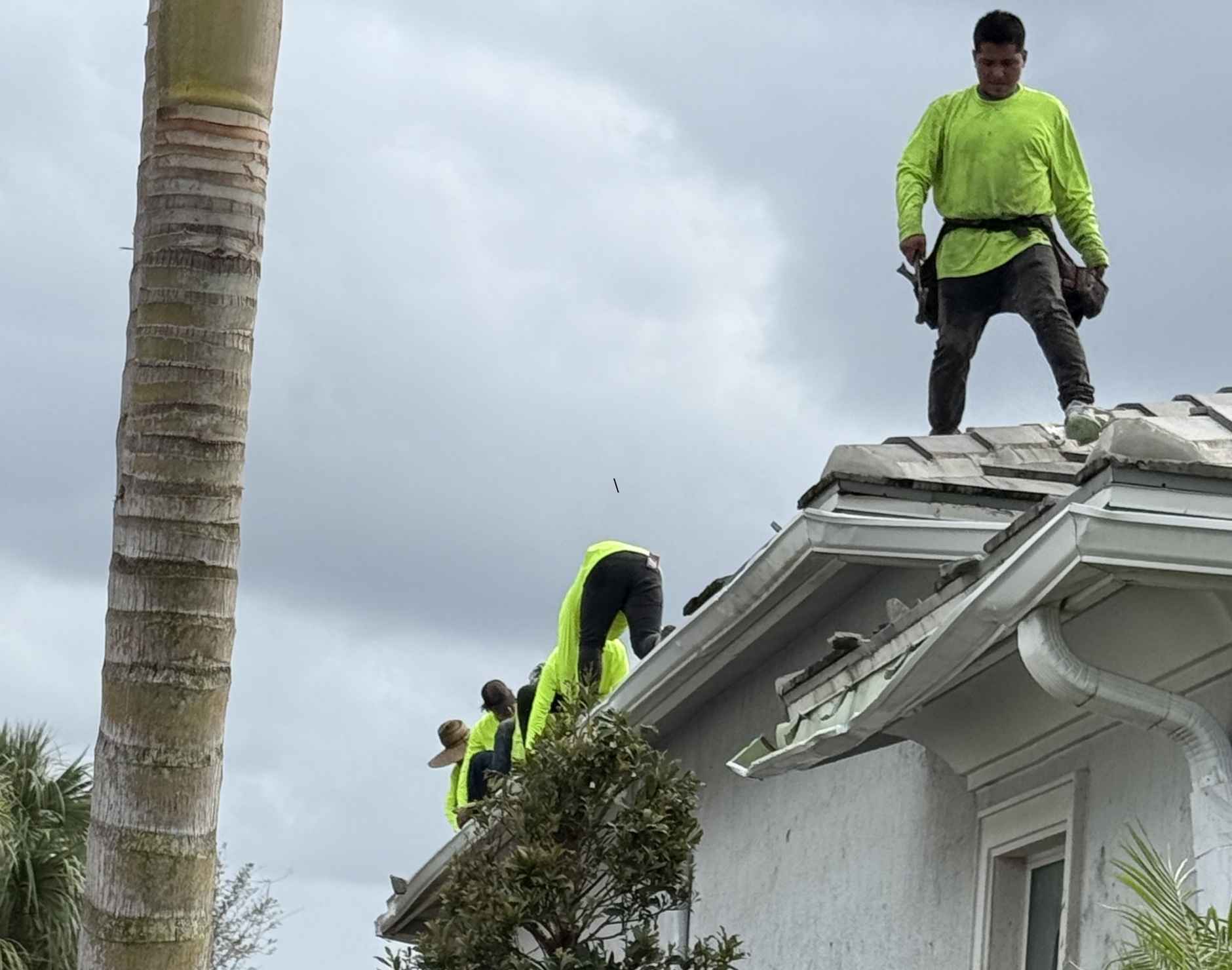
The roof-to-wall connection upgrade is the structural improvement with the most dramatic combination of safety benefit and insurance financial return available for pre-2002 Palm Beach County homes — and it is also the improvement most often overlooked because it is invisible from the exterior and requires attic access to evaluate and perform. For homeowners planning a roof replacement, coordinating the connection upgrade with the re-roofing project is the most cost-effective approach: the attic is accessible, the existing connections are visible, and the labor mobilization cost is shared across both scopes of work.
The upgrade process for wood-frame construction — the majority of single-family homes in Tequesta and Jupiter — involves installing metal hurricane straps at each rafter-to-top-plate or truss-to-top-plate connection throughout the attic. The strap must be selected based on the rafter or truss member size, the nail pattern required to achieve the manufacturer’s rated uplift capacity, and the attic geometry that determines whether a single or double wrap configuration is physically achievable. Simpson Strong-Tie, MiTek, and USP Structural Connectors manufacture the most widely specified residential hurricane strap products, each with load tables that specify the nail pattern and installation requirements for the rated uplift capacity.
“A $5,000 strap upgrade on a pre-1994 Palm Beach County home can generate $3,000–$6,000 in annual insurance savings. The payback period is measured in months. No other structural improvement comes close to this return.”
Insurance Premium Impact and Wind Mitigation Credit
The roof-to-wall connection component of the OIR-B1-1802 wind mitigation inspection form is one of the two highest-value line items for insurance premium reduction — second only to roof covering type in its financial impact on annual premiums. The connection type rating determines a multiplier applied to the wind portion of the homeowner’s insurance premium, and the difference between a toenail rating and a double-wrap rating can be 30 to 45% of the wind premium component.
For a Tequesta or Jupiter Island coastal property with an annual wind insurance premium of $15,000 to $22,000 — not unusual for luxury homes in the current Florida insurance market — a connection upgrade from toenails to double wraps can generate $4,500 to $9,900 in annual premium reduction. The payback period on a $5,000 to $8,000 strap installation investment is 8 to 18 months — among the fastest financial returns available from any residential improvement project in the current Palm Beach County market.
Connection upgrade + wind mitigation inspection = immediate savings Submit the updated OIR-B1-1802 mid-term for a partial premium refund. Don’t wait for renewal — the savings begin from the date the carrier processes the updated form.
Toenail to double-wrap can reduce wind premium by 30–45% On a $20,000 annual premium, this represents $6,000–$9,000 in recurring annual savings. Payback on a $6,000 installation is under 12 months.
Full nail pattern is required for rated capacity A strap with an incomplete nail pattern is rated at whatever capacity its actual installation achieves — not the strap’s maximum rating. Verify completion before wind mitigation inspection.
Coordinate with re-roofing for maximum cost efficiency Shared labor mobilization, shared permit, shared attic access. The incremental cost of connection upgrade during a re-roof is typically 40–60% less than a standalone project.